Introduction
Gut health isn’t just a trendy topic—it’s the foundation of how your body digests food, fights off illness, and even regulates mood. Among the many microbes in your digestive system, gram-positive bacteria play a starring role. But like anything important in life, balance is key. Too few or too many can cause discomfort, fatigue, or more serious health issues. The good news? There are natural ways to support and maintain the balance of these essential bacteria every day.
The Role of Diet in Supporting Gram-Positive Bacteria
Your gut bacteria thrive on the foods you eat. Certain nutrients act like fuel for these microbes, helping them multiply and do their job efficiently. Here’s what to focus on:
- Prebiotics:
These are fibers that feed good bacteria. Foods like onions, garlic, leeks, asparagus, and bananas are packed with prebiotics. They specifically help Lactobacillus and Bifidobacterium flourish. - Fermented Foods:
Fermented foods introduce live bacteria into your gut and can help maintain balance. Examples include:- Yogurt with live cultures
- Kefir
- Sauerkraut
- Kimchi
- Whole Grains and Fiber:
Whole grains like oats, barley, and quinoa support the production of short-chain fatty acids by gut bacteria, which is essential for gut lining health. - Limit Processed Foods and Excess Sugar:
Diets high in sugar and processed foods can encourage harmful bacteria growth, which competes with beneficial gram-positive bacteria.
Lifestyle Habits That Make a Difference
Diet alone isn’t enough. Your lifestyle plays a huge role in gut microbial balance:
- Regular Exercise:
Moderate, consistent exercise supports a diverse microbiome and helps beneficial bacteria thrive. - Stress Management:
Chronic stress disrupts gut bacteria balance. Mindfulness, meditation, yoga, or even a short daily walk can lower stress hormones and support your gut. - Adequate Sleep:
Poor sleep negatively impacts gut bacteria and overall immune function. Aim for 7–9 hours per night. - Avoid Unnecessary Antibiotics:
While sometimes necessary, antibiotics can wipe out good bacteria along with harmful ones. Always consult your doctor before using them.
How Lab Tests Can Guide Your Approach
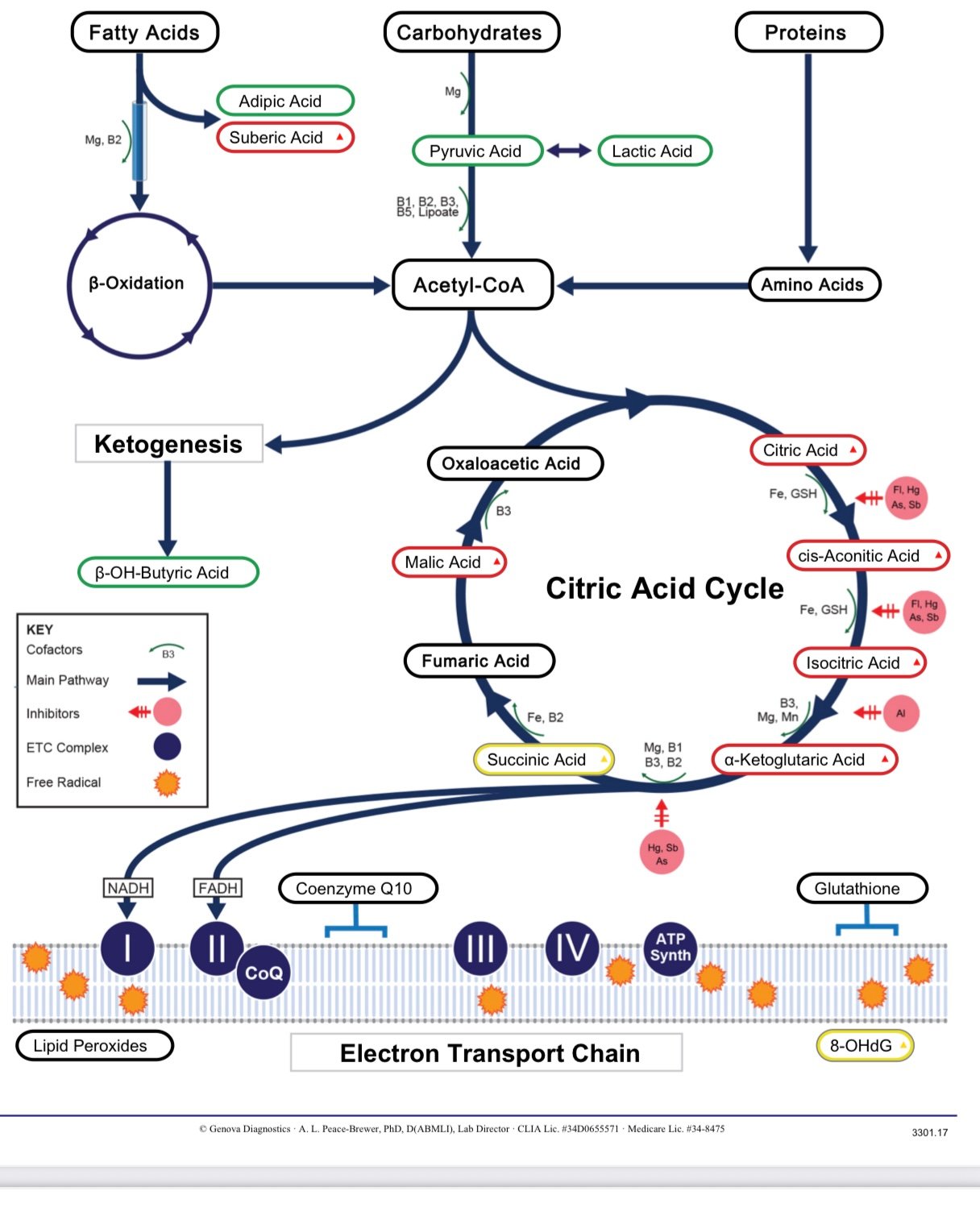
Even with the best diet and lifestyle, it’s impossible to know exactly how your gut is doing without proper testing. The Organic Acids Test (OAT) can:
- Measure the levels of gram-positive bacteria in your system
- Identify imbalances before they cause major issues
- Provide data to tailor diet, supplements, and lifestyle changes
Pairing this with Educational Result Review ensures you actually understand your results, so your actions are effective and targeted—not guesswork.
Putting It All Together
Balancing gram-positive bacteria isn’t complicated, but it does require attention to both nutrition and lifestyle. Small, consistent changes—like adding prebiotic-rich foods, fermented foods, and managing stress—can dramatically improve gut health.
By combining these natural strategies with data from lab testing, you’re giving your body the tools it needs to thrive. The result? Better digestion, stronger immunity, more energy, and even improved mood. Gut health isn’t just about what you eat—it’s about how you live, every day.